
What is overmoulding
Understand how plastics are overmoulded onto cables, PCBs, electronics, metals and other plastics, including TPU, TPE and engineering polymers.
What is overmoulding?
Overmoulding is an injection moulding process in which plastic is moulded over an existing component to create a single integrated part. The component being overmoulded – sometimes called the substrate or insert – might be another plastic moulding, a metal component, a cable, connector, PCB, sensor, or other electronic assembly.
A familiar everyday example is a screwdriver. The steel shaft is positioned inside a mould tool and plastic is injection moulded around it to form the handle. More technical applications use the same principle to provide functions such as electrical insulation, environmental protection, strain relief, sealing, vibration resistance or a soft-touch surface.
Inoplas specialises in technical overmoulding, insert moulding, cable and connector overmoulding and the overmoulding of sensitive electronic components.
How does the overmoulding process work?
In a typical overmoulding process, the component is accurately located within the tool and molten thermoplastic is injected into the remaining cavity. The polymer flows around selected areas of the inserted component before cooling and solidifying to create one combined component.
Depending on the application, the overmoulded material may:
- completely encapsulate the inserted component;
- cover only selected areas;
- form a seal around an interface;
- create a cable strain relief;
- provide mounting features or fixing points;
- add electrical insulation;
- create a soft-touch or impact-resistant outer layer;
- protect sensitive components from their operating environment.
What is the difference between overmoulding and insert moulding?
The terms overmoulding and insert moulding are closely related and sometimes overlap.
Insert moulding normally describes the process of placing a separate item – perhaps a metal bush, electrical terminal, threaded insert or connector – into a mould and injecting plastic around it.
Overmoulding describes moulding an additional material onto or around an existing component. This can include metal inserts, cables and electronics, but also plastic-to-plastic combinations where a second polymer is moulded over a previously moulded substrate.
A rigid nylon component overmoulded with a flexible TPU or TPE, for example, would normally be described as plastic-to-plastic overmoulding.
What materials can be used for overmoulding?
A wide variety of thermoplastics can be used for overmoulding. The correct choice depends on the function of the finished component and, importantly, the material onto which it is being moulded.
Typical materials (for substrate or overmould) include:
TPE and TPU – often selected where flexibility, grip, sealing, strain relief or impact protection is required.
Nylon / Polyamide (PA) – widely used in technical components where strength, temperature resistance and engineering performance are important.
Acetal / Polyoxymethylene (POM) – a strong, stiff engineering thermoplastic with excellent dimensional stability, low friction and good wear resistance, often used for precision mechanical components, gears, bearings and moving parts.
Polypropylene (PP) – lightweight, chemically resistant and suitable for many general-purpose applications.
PBT and PPA – engineering polymers frequently encountered in electrical and automotive applications.
Polycarbonate (PC) – useful where toughness and dimensional performance are required.
PPS, PEEK and LCP – high-performance engineering polymers for more demanding thermal, electrical, chemical or precision applications.
Inoplas processes a broad range of commercial and high-performance thermoplastics and can help select materials according to the mechanical, electrical, environmental and manufacturing requirements of the project.
What are the considerations when overmoulding onto another plastic?
For example, TPU or TPE can potentially be overmoulded onto another substrate to create a component with a strong structural core and a flexible outer region providing grip, sealing, protection or vibration damping but putting two plastics together does not automatically mean that they will stay bonded.
The strength of an overmoulded interface can depend on:
- chemical compatibility between the polymers;
- processing temperatures;
- substrate surface condition;
- moisture content;
- injection pressure and speed;
- thickness of the overmould;
- component geometry;
- position of the gate (s);
- mechanical interlocks designed into the component.
Some combinations achieve strong adhesion through compatibility between the materials. Others require the geometry to provide a physical or mechanical interlock so that the second material is securely retained even when chemical adhesion is limited.
Can PCBs and electronic components be overmoulded?
Yes. PCBs, sensors, cable assemblies, connectors and other electronic components can often be overmoulded, and this is an area in which Inoplas has particular experience.
Electronic overmoulding can provide significant environmental and mechanical protection. Depending upon the product design, the moulded polymer can help protect electronics against moisture, dust, vibration, impact and handling damage while also providing insulation and mechanical support. The challenge is that an electronic assembly must survive the moulding process itself.
Molten thermoplastic arrives at elevated temperature and pressure, so factors such as polymer choice, processing temperature, injection pressure, gate position, component support and mould filling all have to be considered carefully. Delicate PCB components, solder joints, wires and air gaps within connectors may require particular attention. Inoplas undertakes the Cable Assembly ourselves for many of our customers to ensure repeatability but we also accept customers’ own cable assemblies to overmould.
What are the main advantages of overmoulding?
A well-designed overmoulding can combine several functions that would otherwise require separate components and assembly processes.
Typical advantages include:
- Reduced assembly costs by combining multiple parts into one operation.
- Ingress protection against moisture, dust and contaminants.
- Impact and vibration protection for sensitive components.
- Electrical insulation around conductors or electronic assemblies.
- Cable strain relief and improved connector durability.
- Improved ergonomics using soft-touch TPE or TPU materials.
- Improved sealing between components.
- Reduced component count and fewer subsequent assembly operations.
- Mechanical retention of inserts, terminals and other components.
- Improved appearance through colour, texture and integrated design features.
- Weight reduction compared with conventional housings or mechanical assemblies.
Done properly, overmoulding isn’t simply a cosmetic process. It can fundamentally change the way a product is designed and manufactured. Inoplas can help as much or as little as you need on Design Development.
What needs to be considered when designing an overmoulded component?
Overmoulding adds another level of complexity to conventional injection moulding because the tool must accommodate an existing component as well as the molten polymer. Where a particular IP rating or environmental requirement is specified, the complete assembly needs to be designed and validated against that requirement.
Some of the important design considerations include:
Locating the insert
The substrate must be held accurately and repeatably inside the mould. If it moves when the polymer is injected, dimensional problems or damage can result.
Gate position and polymer flow
The location at which plastic enters the cavity influences how the material flows around the insert. Flow needs to be considered both to achieve a good moulding and to avoid imposing unnecessary forces on sensitive components.
Wall thickness
As with conventional injection moulding, excessive differences in wall thickness can contribute to sink, shrinkage and warpage. Consistent sections are normally preferable where the design allows them.
Shut-offs and sealing areas
Where only part of a component is being overmoulded, the mould tool must seal accurately against the existing part to control where the molten polymer can and cannot go.
Draft
Moulded surfaces generally require sufficient draft to allow the finished component to release cleanly from the tool.
Material compatibility
For plastic-to-plastic overmoulding, compatibility between substrate and overmould materials can be crucial where adhesion is required.
Tooling and automation
Production volume also matters. A component manually loaded for a run of a few hundred parts may require a very different manufacturing solution from an overmoulded assembly required in hundreds of thousands.
Can mould-flow simulation be used for overmoulded products?
Yes. Inoplas uses SOLIDWORKS Plastics mould-flow simulation to evaluate how polymer is likely to fill the cavity and resolve possible issues before committing to production tooling.
This can assist decisions about component geometry, gate location, filling behaviour, material selection and tool design. This doesn’t replace moulding experience – but it gives the engineering team another very useful tool for identifying potential problems before steel is cut.
What products use overmoulding?
Overmoulding is used across an enormous range of products and industries.
Typical examples include:
- cable assemblies and electrical connectors;
- PCB and electronic assemblies;
- Industrial and automotive sensors and controls
- RFID and identification devices;
- medical and healthcare products;
- power distribution equipment;
- robotics and automation components;
- components requiring grips, seals or flexible surfaces.
Inoplas’ own projects range from conventional cable and connector overmoulding through to sensitive electronics and technically demanding applications involving engineering polymers.
CASE STUDY
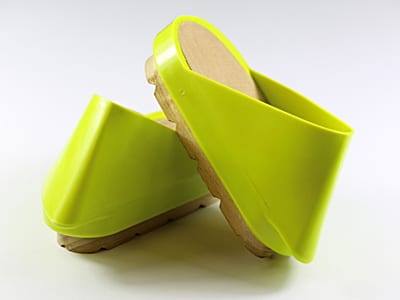
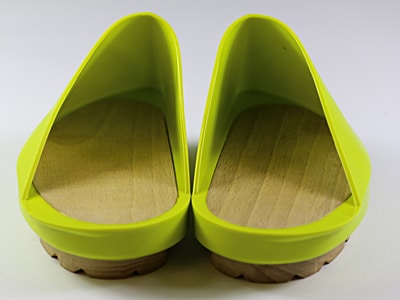
In July 2014 Inoplas developed the Moover cow slipper for a customer. The slipper is designed for dairy cows, who have a problem in one of their hoof “claws”. The slipper allows the infected “claw” to be raised off the ground and heal quickly.
Read more >
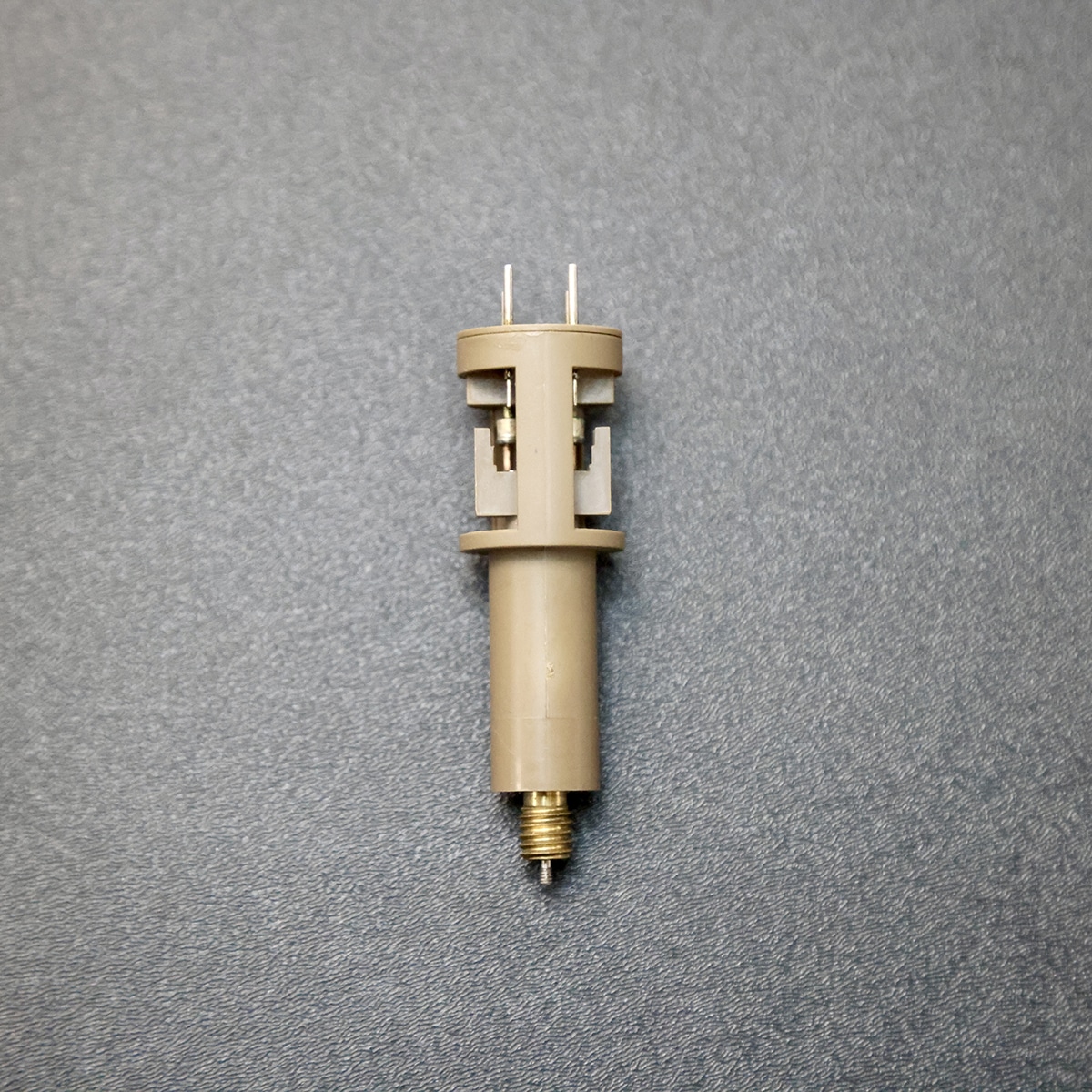
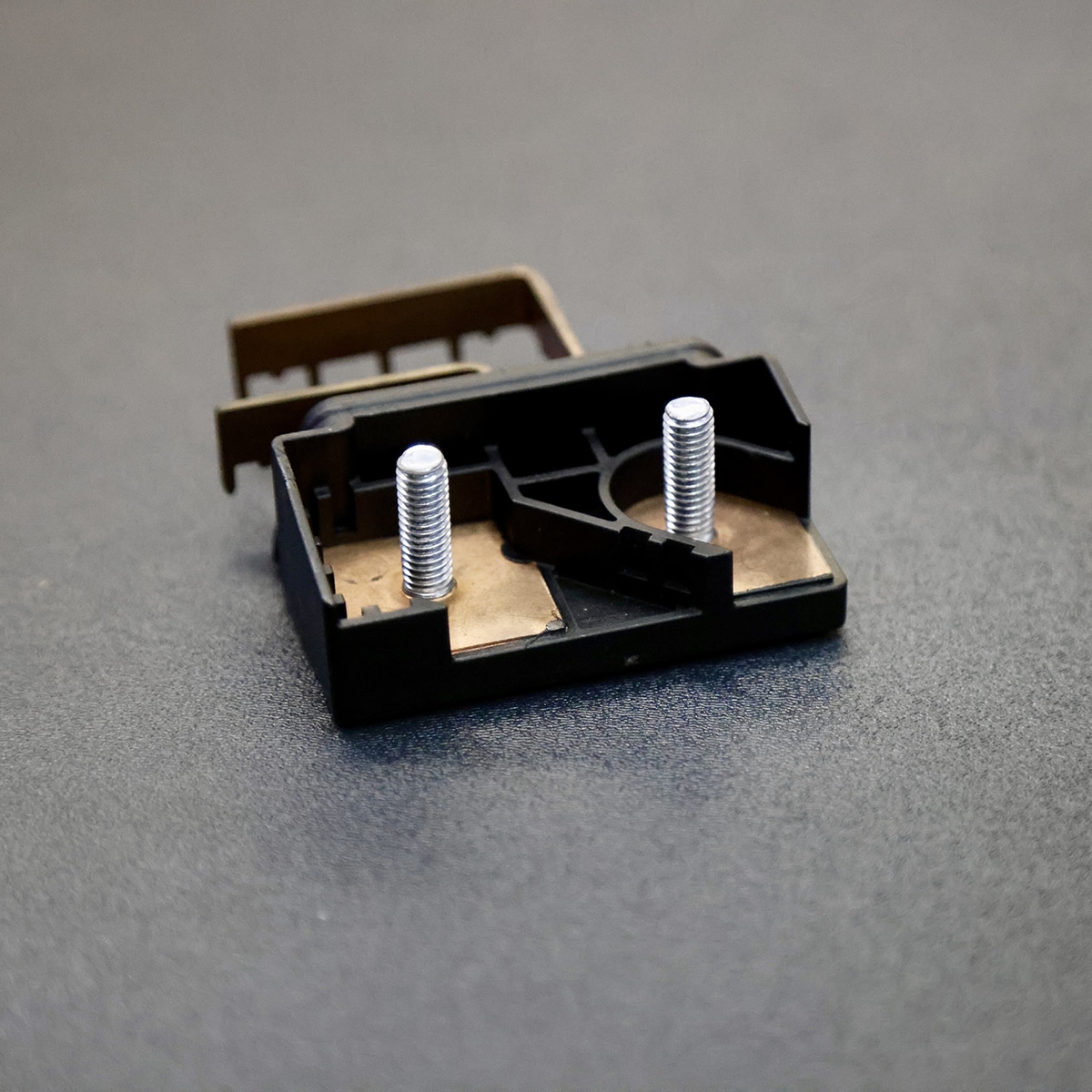
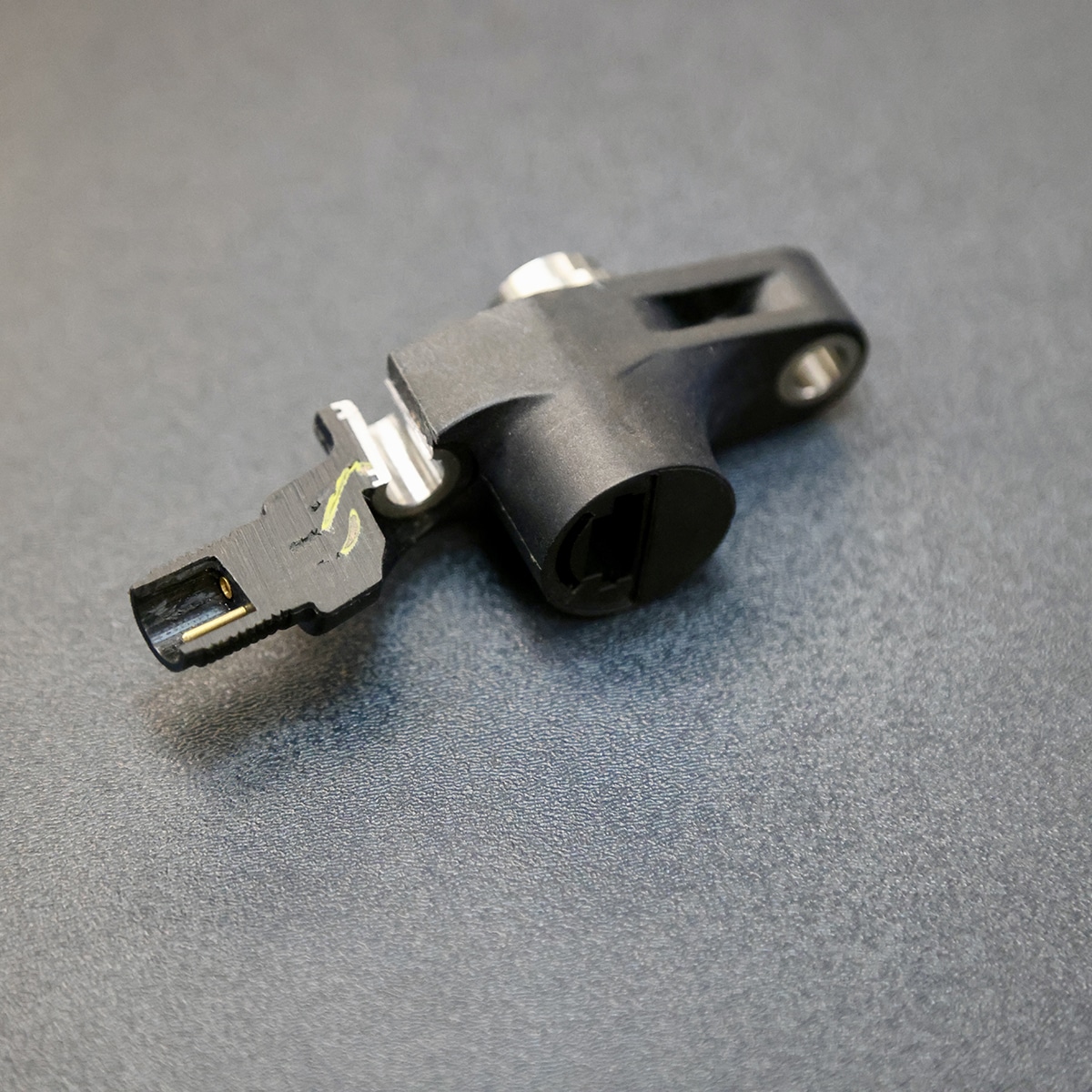
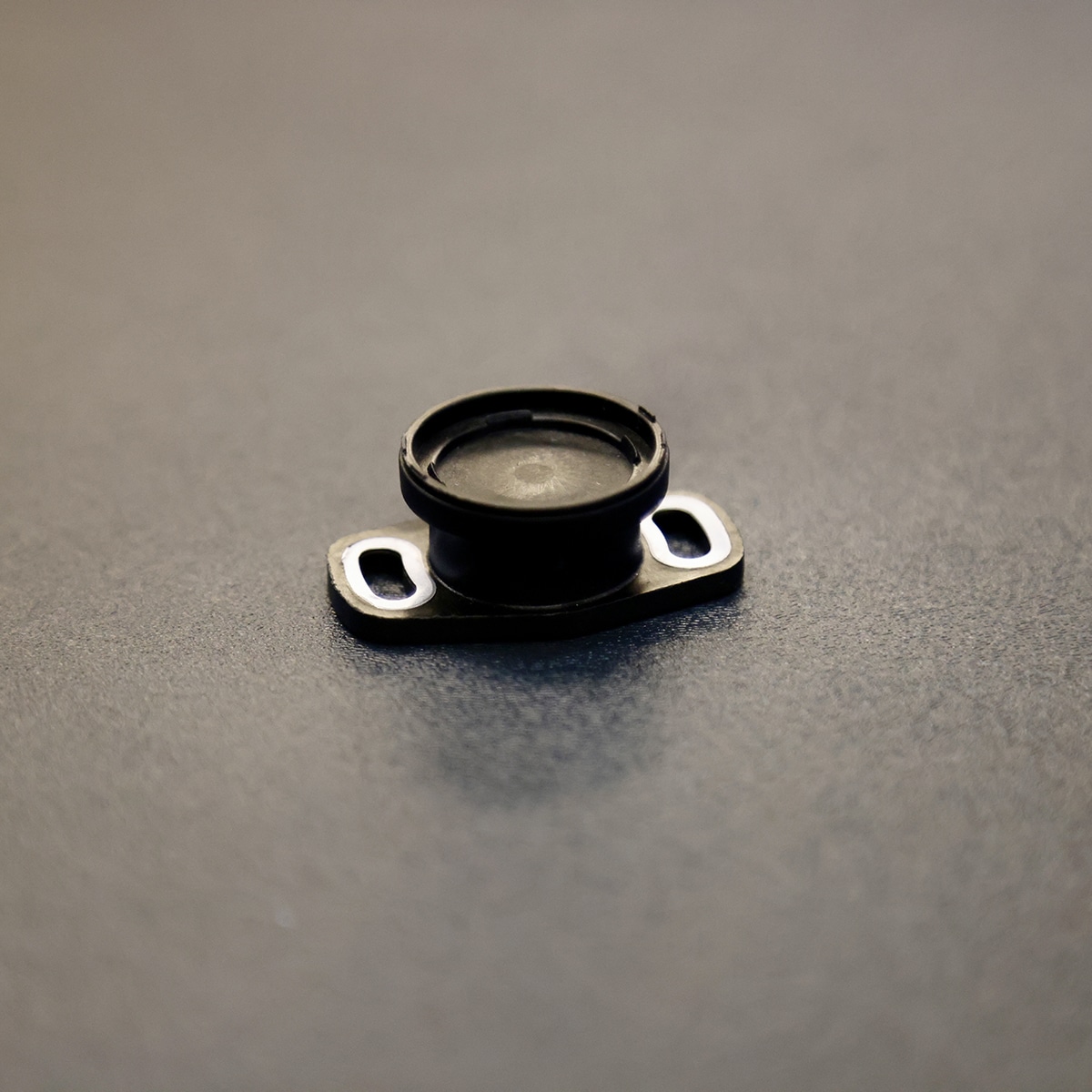
Overmoulding is an injection moulding process that has drastically changed the aesthetics, design & functionality of many products. Please get in touch if you have an overmoulding project you would like to discuss.