
Technical Insert Moulding Services
UK insert moulding specialists for metal inserts, terminals, connectors, pins, bushes and other components. From design and tooling through to production and assembly.
Inoplas Technology provides precision insert moulding for OEMs, combining plastic components with metal inserts, electrical contacts and other pre-manufactured parts to create a single integrated moulding.
During insert moulding, the insert is accurately positioned inside the injection mould tool before molten thermoplastic is injected around it. Once the plastic has cooled, the insert becomes securely retained within the finished component.
Typical inserts include threaded inserts (Tappex and others), bushes, pins, terminals, electrical contacts, rods, rivets and connectors.

Insert moulding for electrical and engineering components
Insert moulding is particularly useful where the finished component requires the properties of both an engineering polymer and another material.
Inoplas uses the process for technically demanding components including connectors, plugs, sockets, electrical terminations and other engineered assemblies. Inserts can provide electrical conductivity, threaded fixing points, mechanical strength, wear resistance or accurately located connection features within the finished plastic component.
A well-designed insert moulding can also reduce the number of subsequent assembly operations, improve consistency and eliminate separate fasteners or housings.
What are the advantages of insert moulding?
Combining the insert and plastic moulding during manufacture can offer several advantages:
- secure and repeatable positioning of inserts;
- reduced secondary assembly and labour;
- fewer individual components;
- strong mechanical retention;
- incorporation of electrical terminals or contacts;
- reduced weight compared with an equivalent all-metal component;
- improved consistency in higher-volume production.
The plastic geometry can also be designed to mechanically lock around the insert rather than relying simply on adhesion between the materials.
Designing components for insert moulding
Successful insert moulding depends on more than simply placing an insert into an injection mould.
The insert must be located accurately and supported against the forces generated as the polymer fills the cavity. Tool design, gate position, polymer flow, moulding temperature, shrinkage and the geometry around the insert all need to be considered.
Inoplas can support projects from early design development and material selection through prototyping, tooling, injection moulding, assembly and testing. Considering the insert moulding process early in the design stage can often simplify tooling and improve the reliability of the finished product.
For more information about the wider process, see our What is Overmoulding? guide.
Post-mould insert installation
Not every insert needs to be moulded directly into the component.
Depending on the design, production volume and performance requirements, Inoplas can also install inserts into an already moulded component using techniques including heat insertion, press fitting, self-tapping and ultrasonic insertion.
Choosing between moulded-in and post-moulded inserts depends on the component geometry, material, required strength, production volumes and tooling economics.
UK insert moulding for OEM applications
Inoplas supports insert moulding projects across industrial controls, electrical and electronic products, automotive, medical, sensors, power products and other technically demanding applications.
If you are developing a component containing metal inserts, electrical terminals, connectors or other moulded-in features, send us a drawing, CAD model, existing sample or simply explain what you are trying to achieve.
We can review the application and advise on the most practical manufacturing approach.
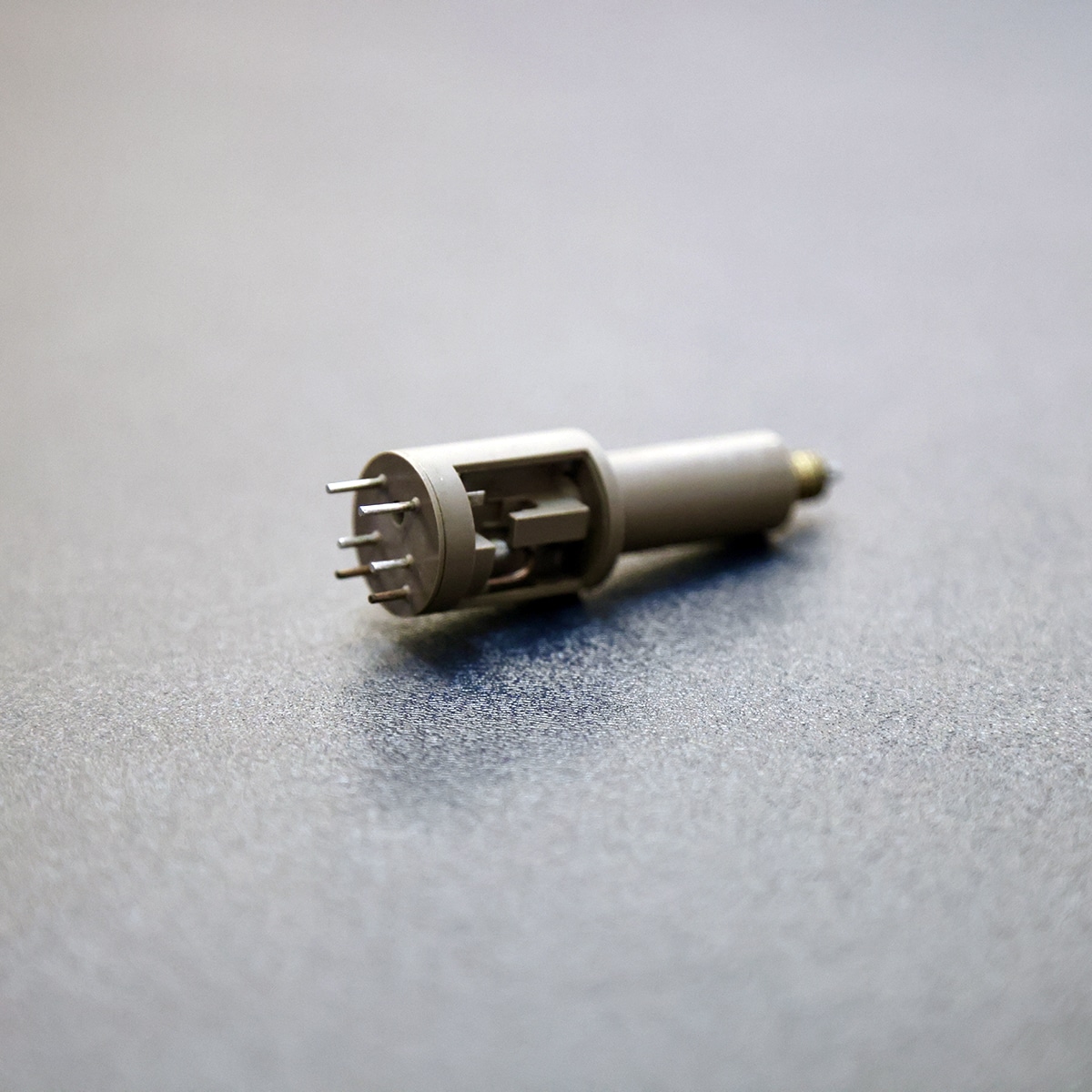
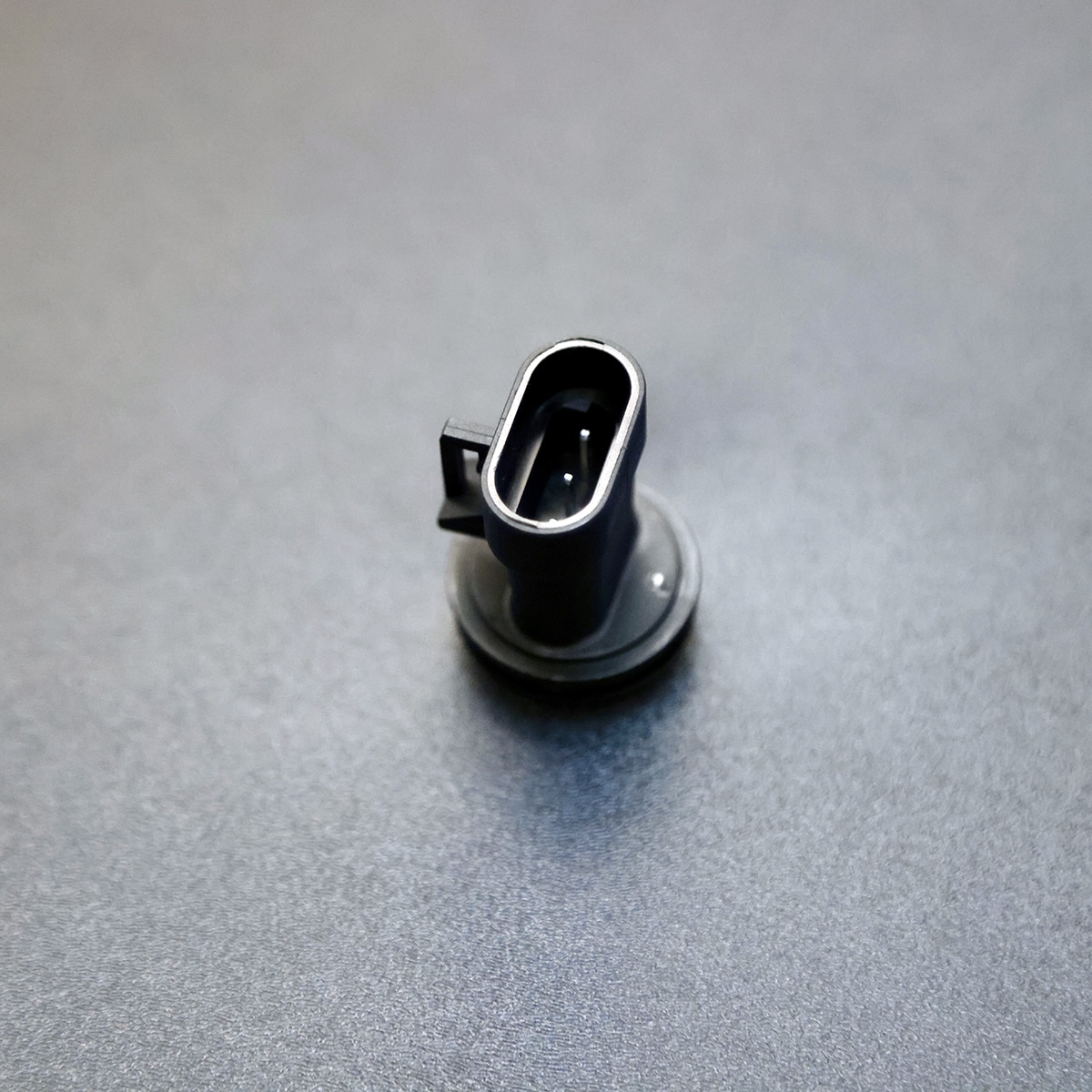
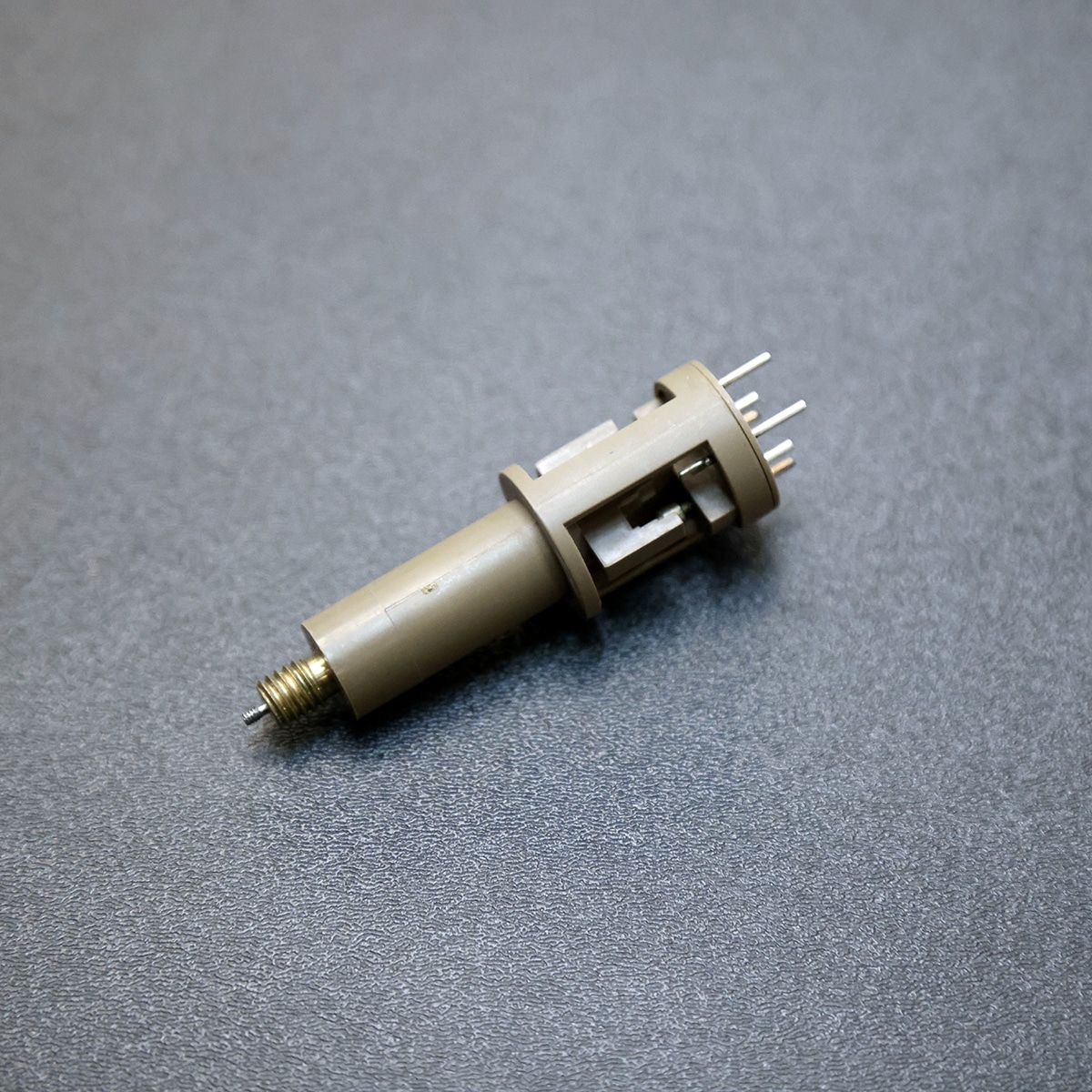
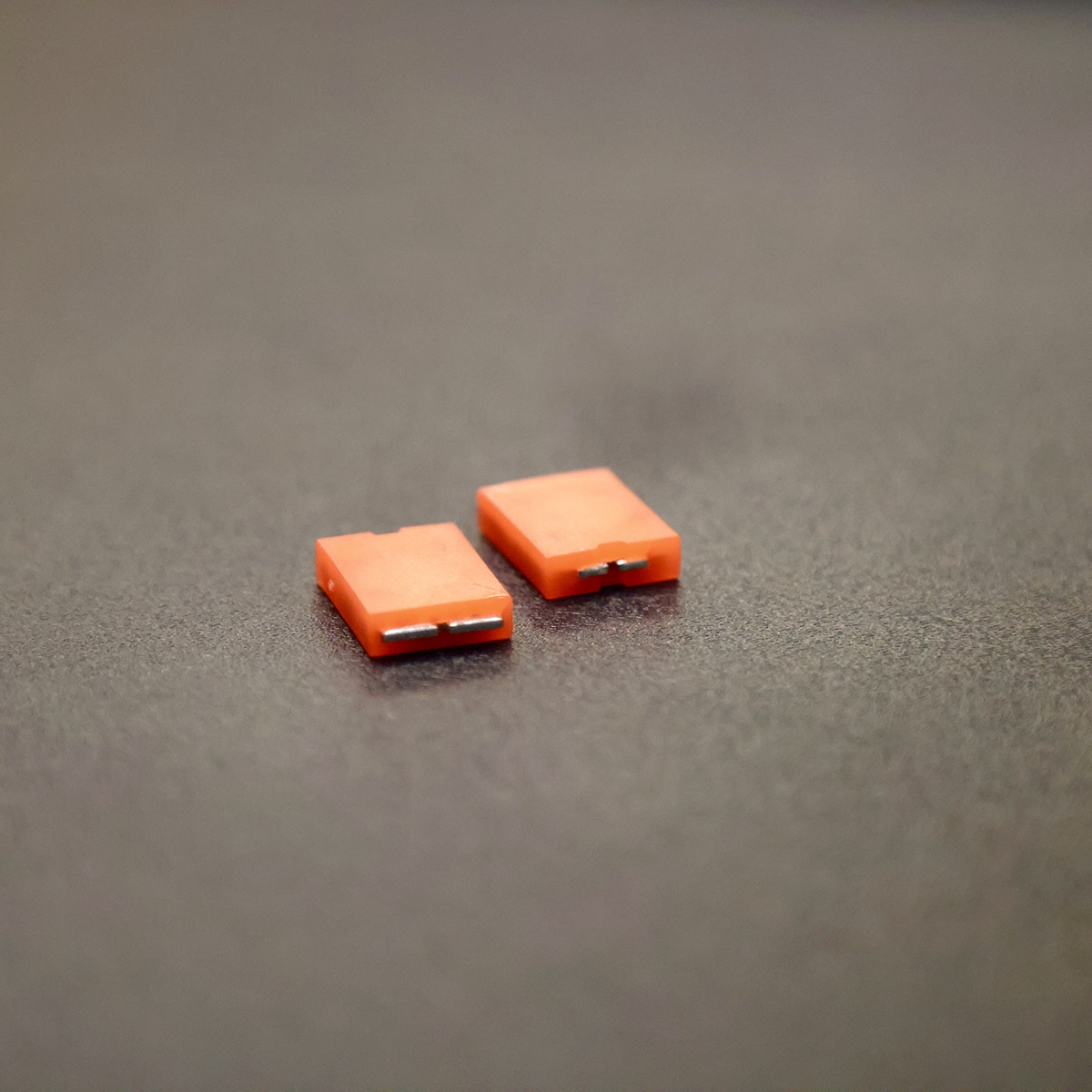
Insert overmoulding is a subset of injection moulding, inserts are placed into the moulding machine and plastic is injected around them. Please get in touch if you have an insert moulding project you would like to discuss.
Telephone No.01202 866000